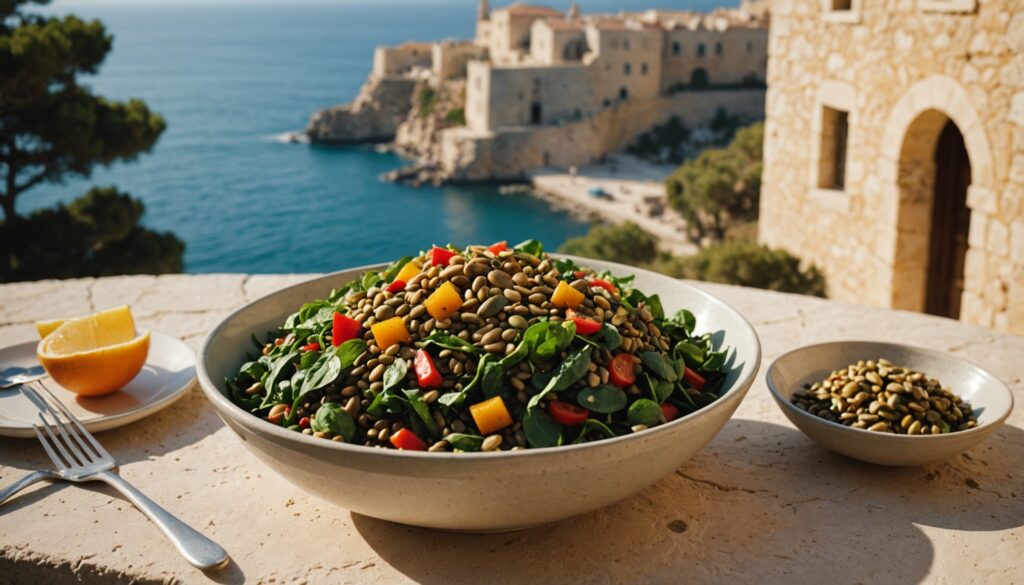
Meat, poultry and fish give the iron your body absorbs most easily. Lentils, chickpeas, broad beans, leafy greens and fortified cereals also contribute, especially when eaten with vitamin C-rich foods. Tiredness has many causes, though, so food is a sensible first step but not a diagnosis. A GP blood test is the only way to know your iron status.
Why iron matters for women, and why tiredness is not proof of low iron
Iron is needed to make haemoglobin, the protein in red blood cells that carries oxygen around the body. Premenopausal women are the group most often discussed in iron research, mainly because of monthly blood loss. A review of changes in the modern British diet noted that people now eat less red meat than 30 years ago. It also said the effect on iron deficiency in premenopausal women and children still needed to be determined (Heath and Fairweather-Tait, 2002).
Feeling tired, however, does not mean you are low in iron. Poor sleep, stress, hot nights, low calorie intake, thyroid problems, low vitamin D and many other things can all leave you flat. If you are in Malta in summer, heat alone can explain a lot, as we cover in Why Do I Feel So Sluggish in Malta in Summer?
Which foods contribute the most useful iron?
Dietary iron comes in two forms. Haem iron is found in animal foods and is generally absorbed more easily. Non-haem iron is found in plant foods, eggs and fortified foods, and its absorption is more easily affected by what else is on your plate.
Animal sources
- Red meat, such as beef or lamb, and also rabbit, which is a Maltese staple in stuffat tal-fenek.
- Liver, which is very rich in iron. It is best eaten only occasionally, and it is not recommended in pregnancy because of its high vitamin A content.
- Poultry and dark poultry meat, such as chicken thighs.
- Fish and shellfish, including sardines and tuna. Our guide to local fish in Malta covers the practical side of choosing them.
- Eggs, which contain some iron, though less than red meat.
Plant sources
- Pulses: lentils, chickpeas, kidney beans and broad beans. Broad beans (ful) and the dip bigilla are very much part of local eating.
- Dark leafy vegetables, such as spinach, chard and rocket.
- Nuts and seeds, including pumpkin seeds, sesame seeds and tahini.
- Wholegrains and fortified breakfast cereals, where the label says iron has been added.
Research shows that animal protein seems to matter. In a cross-sectional study of middle-aged women in rural China, only dietary animal protein stayed significantly linked to plasma ferritin (an iron-storage marker) after accounting for county. The link was small, though, and the study found no clear relationship between total iron intake and iron status (Root et al., 1999).
How to help your body absorb the iron you eat
How much iron you take in is only part of the picture. Isotope studies have identified several dietary factors that influence absorption, including ascorbic acid (vitamin C), animal tissue, phytates and polyphenols (Heath and Fairweather-Tait, 2002). In practice:
- Add vitamin C to plant-based iron meals. Squeeze lemon over lentils, add peppers or tomatoes to a bean stew, or eat an orange or strawberries after a meal. Our seasonal produce guide for Malta can help you choose what is best each month.
- Combine animal and plant foods. A little meat or fish alongside beans or vegetables is a traditional pairing and fits well with Mediterranean cooking.
- Be aware of phytates. These are found in wholegrains, pulses, nuts and seeds. They can reduce absorption, but these foods are still valuable. Soaking pulses and eating a varied diet are sensible approaches.
- Be mindful of tea and coffee at mealtimes. Polyphenols can reduce absorption. Interestingly, in the Chinese study even high tea intake was not correlated with iron status (Root et al., 1999), so there is no need to panic. If you are worried about your iron, leaving a gap of an hour or so between a main meal and your tea or coffee is an easy habit to try.
What about soy?
If you eat soy foods in place of meat, you may wonder about iron. In a 10-week trial of premenopausal women eating two to three servings of soy foods a day, there were no significant changes in haemoglobin, serum iron or ferritin compared with the animal-food group. Plasma zinc did fall slightly in both groups (Zhou et al., 2011). That was a small, short study in healthy young women, so it does not settle the question for everyone, but it is reassuring for moderate soy intake.
Iron and zinc travel together
Iron and zinc are found in similar foods, such as meat, shellfish, pulses and wholegrains (Lim et al., 2015). If you cut out these food groups, it is worth checking that you are not missing out on both minerals.
Your options, from the simplest to the most involved
Option 1: Adjust your meals (free or low cost)
This means including an iron-containing food at most meals: for example, eggs and wholegrain toast at breakfast, a lentil or chickpea salad with lemon at lunch, and fish, chicken or lean meat with vegetables at dinner. It costs little, carries almost no risk, and also supports protein and fibre intake. Our guide to how much protein women need each day helps with planning. It suits most women who eat a varied diet and feel generally well. It will not be enough on its own if you have heavy periods, absorption problems or a confirmed deficiency.
Option 2: An iron supplement from the pharmacy
Supplements can be useful, but only when there is a reason. Do not start one just because you feel tired. Extra iron can cause constipation, nausea and stomach upset, and it is not suitable for everyone. The 2002 review above notes that people with HFE gene mutations can develop iron overload. Talk to a pharmacist or your GP first. A supplement does not replace medical treatment if a deficiency has been diagnosed, and it does not fix whatever is causing the loss.
Option 3: Speak to your GP or a dietitian
A blood test usually looks at haemoglobin and ferritin, and your doctor can interpret the results alongside your symptoms. This is the best route if you are persistently exhausted, short of breath, pale, dizzy, losing hair, have heavy or long periods, are vegetarian or vegan, are pregnant or planning pregnancy, or have digestive problems. A registered dietitian can then build a plan around your food preferences and budget. It costs more than option 1, but it gives you real information instead of guesswork.
A simple day of iron-friendly eating
- Breakfast: eggs with sliced tomato and wholegrain bread, or porridge with pumpkin seeds and berries.
- Lunch: lentil and spinach soup with a squeeze of lemon, or a chickpea and pepper salad with tuna.
- Snack: an orange with a small handful of almonds.
- Dinner: grilled fish or chicken with roasted vegetables and a bean side such as broad beans.
If you are working on balancing meals more generally, the Mediterranean diet in Malta guide fits naturally with this style of eating.
Frequently asked questions
Can I fix tiredness with iron-rich foods alone?
Not necessarily. Food helps maintain iron intake, but tiredness has many possible causes. If it lasts more than a few weeks, see your GP rather than relying on diet changes alone.
Is spinach really the best iron food?
Not really. Spinach contains iron, but it is non-haem iron and is not absorbed as easily as the iron in meat or fish. It is still a good food, and a squeeze of lemon helps.
Should I avoid tea and coffee?
You do not need to give them up. Polyphenols can reduce iron absorption, but one large study found no link between even high tea intake and iron status. If you are concerned, simply drink them between meals rather than with them.
Can vegetarians get enough iron?
Many do, but they need to plan. Eat pulses, tofu, seeds, leafy greens and fortified foods daily, pair them with vitamin C, and ask your GP about checking ferritin periodically, especially if your periods are heavy.
References
- Clinical implications of changes in the modern diet: iron intake, absorption and status (2002)
- Iron status of middle-aged women in five counties of rural China (1999)
- The effect of soy food intake on mineral status in premenopausal women (2011)
- Associations between dietary iron and zinc intakes, and between biochemical iron and zinc status in women (2015)
This article is general information and not medical advice. It is brought to you by the team behind Slim by Nature Malta, from Brasil Botanique, a wellness brand being created for women in Malta.