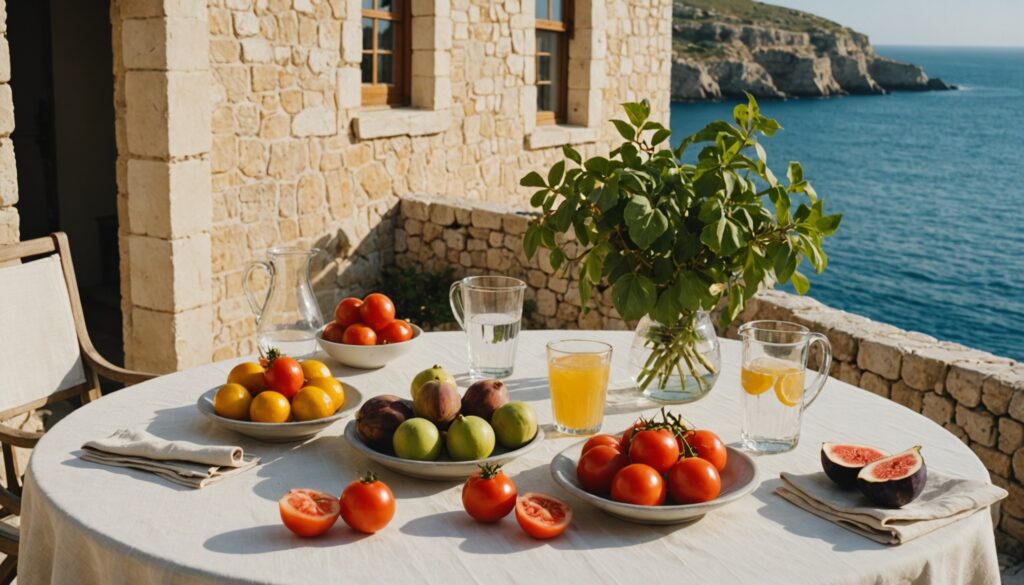
Feeling sluggish in Malta’s summer is very common. Your body works harder to stay cool, hot nights often disturb sleep, and heat can reduce your appetite and leave you short of fluids. Usually this eases with cooler sleeping conditions, regular meals and steady hydration. If tiredness lingers or comes with other symptoms, see your GP.
What does heat actually do to your energy?
Staying at a safe body temperature takes effort. In hot, humid weather your body widens blood vessels near the skin and sweats, and both can leave you feeling heavy, slow or lightheaded. Humidity matters because sweat evaporates less easily, so your body keeps working without cooling as well. Malta in July and August is often humid as well as hot, which is why a 32 degree day by the sea can feel more draining than a dry 32 degrees elsewhere.
Several everyday factors tend to pile up at the same time:
- Broken sleep: warm bedrooms and late-night heat make it harder to fall and stay asleep.
- Mild fluid loss: sweating without replacing water, and sometimes salt, can leave you tired and headachy.
- Irregular eating: many women eat less in the heat and skip meals, so energy dips.
- Routine changes: school holidays, visitors, late dinners and more alcohol or iced coffee.
If you are curious about the calorie side of this, our article on whether hot weather changes how many calories you burn in Malta explains why heat does not make you feel energised.
Is poor sleep the main culprit?
For many people, yes. Research on summer sleep points the same way, although the studies are not from Malta. A study of 40 New York City apartments, measured in summer and winter, found that sleep quality was linked with both measured and perceived indoor temperature in summer only (Quinn and Shaman, 2017). It was a small observational study, so it shows an association rather than proof, but it fits what many of us notice: a hot bedroom means a worse night and a flatter day.
A Belgian repeated cross-sectional study also looked at how urban green space, how hot people feel and sleep quality relate to one another (Beele and colleagues, 2024). It is a reminder that where you live and how heat is experienced around your home can matter for sleep, though in Malta’s densely built areas you may have limited control over that.
Practical ways to cool your sleep
- Close shutters or curtains on the sunny side during the day, then open windows once it cools to let air through.
- Use a fan or air conditioning set to a comfortable, not icy, temperature.
- Choose light cotton or linen bedding and sleepwear.
- Have a lukewarm shower before bed rather than a very hot or very cold one.
- Keep caffeine to the morning and go easy on alcohol, which can fragment sleep.
- Eat your evening meal earlier and lighter if heavy late dinners keep you awake.
Could food and fluids be making it worse?
Quite possibly. When it is very hot, a big plate of food is unappealing, so people graze, skip lunch or live on coffee and something sweet. Energy then rises and falls through the day. If this sounds familiar, read why you may have no appetite in the Malta summer heat, and our practical guide to eating and hydrating well during a Malta heatwave.
Simple foundations that help:
- Small, regular meals that include protein, such as yoghurt, eggs, fish, pulses or cheese, plus fruit or vegetables.
- Water-rich seasonal produce like tomatoes, cucumber, melon and peaches, with a pinch of salt in your food if you are sweating a lot.
- Drinking regularly through the day rather than only when you feel thirsty. Pale yellow urine is a rough guide that you are doing well.
If you are unsure about the tap water, see our guide to Malta tap water, hard water and daily hydration.
Your options, from the simplest to the most involved
1. Adjust your habits (free)
Start here. Cool the bedroom, keep a fixed wake-up time, move your walk or exercise to early morning or after sunset, eat regularly and keep a water bottle within reach. It costs nothing and is safe for most healthy adults. It suits you if your tiredness started with the hot weather and eases on cooler days. It is less likely to be enough if you are tired all year round.
2. Ask your pharmacist about supplements or oral rehydration
A pharmacist can advise on oral rehydration products if you have been sweating heavily or had a stomach upset, and can check whether anything you take, such as certain blood pressure tablets or diuretics, makes heat harder to tolerate. A word of caution on supplements: a 2026 randomised trial of 171 healthy adults tested a daily probiotic and antioxidant drink for eight weeks in summer. It found no significant difference in its main measure, daily subjective fatigue. Among secondary measures, time to fall asleep was about two minutes shorter in the active group (Tomizawa and colleagues, 2026). The authors were employed by the company behind the product, and the effect was small, so this is not a reason to spend money. Supplements also never replace medical treatment or prescribed medicines.
3. See your GP or a registered dietitian
This is the most involved option but the most useful if tiredness is persistent. A GP can check for common causes such as low iron, anaemia, thyroid problems, low mood or sleep disorders, and can review your medicines. A dietitian can help if you are eating very little or your eating pattern is erratic. It suits you if you are tired for weeks, even after the weather cools, or if your symptoms are getting in the way of work or family life.
When is it more than the heat?
Seek urgent medical help if heat comes with confusion, fainting, a very fast pulse, vomiting, hot dry skin or a severe headache. These can be signs of heat exhaustion or heatstroke. Book a GP appointment if you notice:
- tiredness that continues for several weeks or returns every season despite good sleep;
- heavy periods, hair loss, feeling cold, breathlessness or palpitations;
- low mood, anxiety or loss of interest in things you normally enjoy;
- unexplained weight change or constant thirst.
For a wider look at fatigue, see why you may be always tired and what women in Malta often overlook.
Frequently asked questions
Is it normal to feel exhausted in Malta’s summer heat?
Yes, it is common, especially during humid spells and heatwaves. Heat, poorer sleep and changes in eating and drinking often combine. If you are still very tired once temperatures drop, speak to your GP.
Should I drink more water or add electrolytes?
Most people in ordinary daily life do well with regular water and meals that include some salt. Electrolyte drinks may help after heavy sweating or illness. Ask your pharmacist, particularly if you have high blood pressure, kidney or heart conditions.
Does a nap help?
A short nap of around 20 minutes in a cool room can take the edge off a bad night. Long or late naps may make it harder to sleep that night, so keep them brief and earlier in the afternoon.
Can I still exercise in the heat?
Gentle movement is fine for most people if you choose cooler hours, wear light clothing, carry water and stop if you feel dizzy or unwell. A relaxed walk in the early morning or evening is a good starting point.
Slim by Nature Malta is written by the team behind Brasil Botanique, a wellness brand being created for women in Malta.
References
- Quinn and Shaman: Health symptoms in relation to temperature, humidity and perceptions of climate in New York City homes (2017)
- Beele et al.: Urban green space, human heat perception and sleep quality (2024)
- Tomizawa et al.: NY1301 and DDMP on sleep and autonomic function in summer, randomised trial (2026)