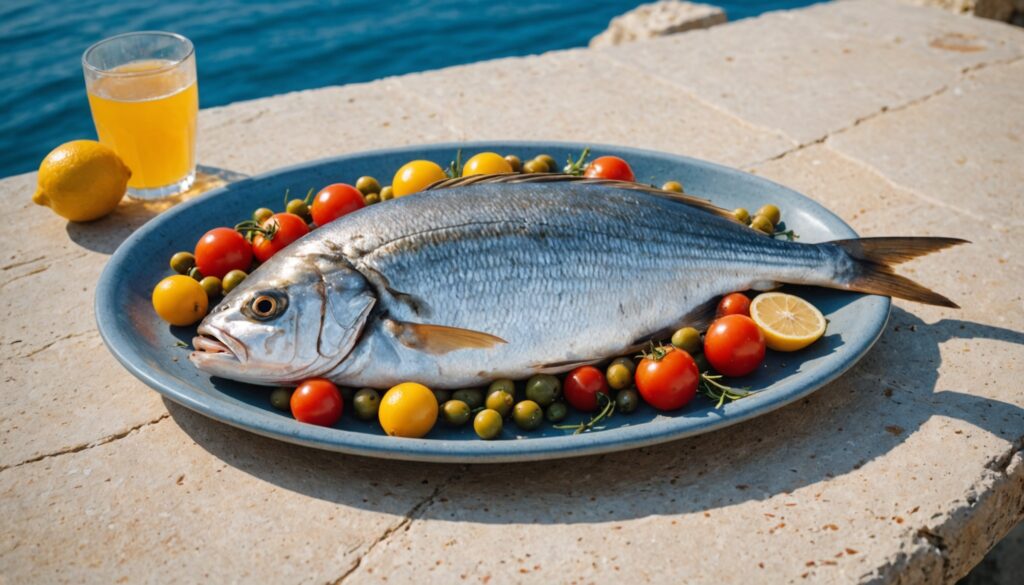
The best local sources of omega-3 in Malta are oily fish such as sardines, mackerel, anchovies and other small silvery fish. Lampuki (dolphinfish) is delicious and a good source of protein, but it is a leaner fish, so it is not usually the richest choice for omega-3. A varied plate of fresh, simply cooked fish is the most sensible approach.
What is omega-3, and why do people look for it in fish?
Omega-3 fatty acids are fats that your body needs but cannot make in useful amounts, so they have to come from food. The two long-chain types most often discussed are EPA and DHA, found mainly in fish and seafood. A third type, ALA, comes from plants such as nuts, seeds and some leafy greens.
A scientific review of the Mediterranean diet describes fresh fish as a source of EPA, while ALA is found in plant foods such as nuts and purslane (Román et al., 2019). The same review also notes that omega-3 fats interact with omega-6 fats in the body, so the overall balance of fats in your diet matters, not only one food.
This does not mean any single fish or supplement will fix your health or your weight. Omega-3 sources are one part of a varied, Mediterranean-style way of eating.
Is lampuki a good source of omega-3?
Lampuki is the star of Maltese late summer and autumn, usually appearing in the fishing season from around August into the cooler months. It is the key ingredient in the traditional lampuki pie (torta tal-lampuki) and is also grilled or baked.
Nutritionally, lampuki is a lean white fish. It offers good-quality protein with little fat, which is a useful quality in itself. However, leaner fish generally contain less omega-3 than oily fish. So you can enjoy lampuki for its taste, its tradition and its protein, but if omega-3 is your goal, add oily fish to your weekly rotation as well.
If you would like to know how fish fits into your daily protein, our guide on how much protein women need each day is a good place to start.
Which Maltese fish are better choices for omega-3?
Oily fish are the ones to look for. At the fishmonger or in the market, these are the options most commonly available in Malta:
- Sardines (sardin): small, affordable and widely available. They are usually among the best choices.
- Mackerel (kavall): an oily fish that is excellent grilled or baked.
- Anchovies (inċova): fresh ones are lovely lightly fried or marinated; tinned or jarred ones add flavour to salads and pasta, though they can be salty.
- Horse mackerel and other small silvery fish: often sold at good prices and well suited to grilling whole.
- Bluefin tuna (tonn) and amberjack (aċċola): richer, meatier fish that contain more fat than lampuki. They are best enjoyed in moderation as a special meal.
Fish such as sea bream (awrata), sea bass (spnotta) and grouper (cerna) are tasty and nutritious, but they sit nearer the lean end of the scale. They are well worth eating, just not the first thing to pick for omega-3.
I cannot give exact omega-3 figures for each species here, because the amount varies with the season, the size of the fish, where it was caught and how it is cooked. In general, the more oily and silvery the fish, the more omega-3 it is likely to contain.
A note on large predatory fish
Large predatory fish such as swordfish (pixxispad) and big tuna tend to accumulate more mercury. Health authorities advise that pregnant women, women planning a pregnancy and young children should limit these. If this applies to you, ask your GP or pharmacist for current guidance. Smaller oily fish such as sardines and anchovies are generally considered a lower-mercury option.
How should you buy and cook fish to keep the benefits?
Simple preparation is best. Heavy frying or covering fish in a rich sauce can add a lot of extra calories without adding much nutritional value.
- Buy fresh when you can. Look for clear, bright eyes, shiny skin and a mild sea smell rather than a strong fishy one.
- Frozen and tinned are fine. Frozen fish is often frozen soon after catching. Tinned sardines and mackerel are convenient, affordable and keep well, particularly in hot summer weeks when you do not feel like cooking. Choose those in olive oil or water, and check the salt content.
- Grill, bake or steam. A little extra virgin olive oil, lemon, garlic and herbs such as parsley or oregano is all that most fish needs.
- Add vegetables. Serve fish with a big salad, roasted tomatoes and courgettes, or capers and olives, as the Mediterranean diet suggests.
For a wider picture of how to build these meals, see how to follow a Mediterranean diet in Malta.
What if you do not eat fish?
Not everyone likes fish, and that is fine. Plant foods such as walnuts, flaxseeds, chia seeds and purslane provide ALA, as the review above notes. Your body converts only a limited amount of ALA into the longer-chain EPA and DHA, so plant sources are not a complete substitute for fish, but they still contribute to a healthy diet.
If you rarely eat fish, or follow a vegetarian or vegan diet, talk to your GP, pharmacist or a registered dietitian before starting an omega-3 supplement. Supplements are not a replacement for a varied diet, and they are not suitable for everyone, for instance if you take blood-thinning medication.
How can you fit fish into your week without overthinking it?
You do not need a strict plan. A few easy habits go a long way:
- Keep a couple of tins of sardines or mackerel in the cupboard for quick lunches on toasted wholegrain bread with tomato.
- Choose a fresh fish day when you pass the fishmonger, and let the season guide you: lampuki in autumn, small silvery fish whenever they look good.
- Alternate lean and oily fish, so you enjoy your favourites without worrying.
If you enjoy traditional dishes, you may also like our article on whether Maltese food can fit a healthy plan, which looks at how to balance everyday local favourites.
Frequently asked questions
Is lampuki healthy?
Yes. Lampuki is a lean fish that provides good-quality protein and fits well into a Mediterranean-style diet. It is just not one of the richest omega-3 fish, so combine it with oily fish.
Which is better for omega-3, fresh or tinned fish?
Both can be good choices. Tinned sardines and mackerel are practical and affordable. Check the label for added salt and choose those packed in olive oil or water.
How often should I eat oily fish?
Many national dietary guidelines recommend including fish regularly, with some of it being oily fish. The exact amount depends on your age, health and whether you are pregnant, so ask your GP or a dietitian for advice that suits you.
Should I take a fish oil supplement instead?
Food comes first. A supplement does not treat or prevent any condition, and it may not suit everyone. Speak to your GP or pharmacist before taking one, especially if you take medication.
References
This article is for general information and does not replace personal medical advice. It comes from Brasil Botanique, the wellness brand being created for women in Malta and the team behind this blog.