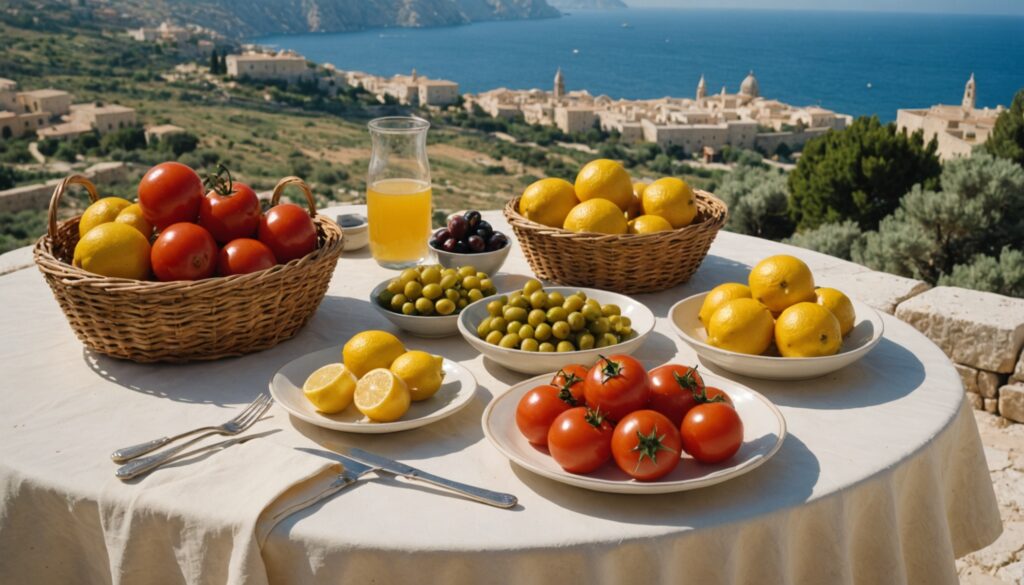
The easiest healthy swaps in a Maltese supermarket are the ones that keep your meals familiar but upgrade one ingredient: wholegrain instead of white bread, plain yoghurt instead of sweetened, water or sparkling water instead of sugary drinks, and tinned fish, eggs or pulses instead of processed ready meals. You do not need a new diet or specialist shops. A few repeatable swaps, made on your weekly shop, are usually enough to start.
Why does food shopping feel so different after moving to Malta?
Moving country changes your food environment overnight. The brands are different, the labels may be in another language, your usual ingredients may be expensive or missing, and the shops, opening hours and rhythms of the week are new. Research on migrants in other countries suggests this can shape eating habits, although it does not tell us what will happen to any one person in Malta.
- In a cross-sectional study of Chinese international students in South Korea, participants reported skipping meals more, eating faster and eating fruit and vegetables less often than before they moved. Weight rose in the men but not in the women (Lee et al., 2015).
- In a small survey of 70 African immigrants in the US who already had overweight or obesity, about 84% reported gaining more than 5 lbs since migrating (Bannor et al., 2026). This was self-reported, in a small group, and in a very different country from Malta.
- Other work has looked at how the new environment and the way people adapt to a new culture interact, including a study of 152 Iranian immigrants in Australia (Delavari et al., 2015).
The practical message is modest: when your surroundings change, your old autopilot stops working. Planning your shop helps you build a new one.
Which everyday swaps are easiest to make?
Bread and breakfast
- White loaf or sweet pastry to wholegrain or seeded bread. Maltese bread and ftira are part of daily life, so you do not need to give them up. Choose wholegrain versions when available, and add protein and vegetables to the plate.
- Sweetened cereal to oats or a lower-sugar muesli. Check the label: many cereals marketed as healthy are high in sugar.
- Flavoured yoghurt to plain or Greek-style yoghurt with fresh fruit and a few nuts. Our guide to a blood sugar-friendly breakfast has more ideas.
Snacks and drinks
- Crisps and biscuits to olives, nuts, hummus with vegetable sticks, or fruit. Keep these where you can see them, and keep the biscuits out of sight.
- Sugary soft drinks, including Kinnie, to water, sparkling water with lemon, or unsweetened tea. You can keep a favourite as an occasional treat rather than a daily habit.
- Fruit juice to whole fruit. Whole fruit contains fibre, which juice largely lacks.
Proteins and meals
- Processed meats and ready meals to eggs, tinned tuna or sardines, frozen fish, chicken, and tinned or jarred pulses. Chickpeas, lentils and beans are cheap, filling and easy to add to soups and salads. For ideas on how much to aim for, see how much protein women need each day.
- Creamy or sugary jar sauces to a simple tomato base with garlic, herbs and olive oil. Check the sugar and salt on jar labels.
- Refined pasta every time to a mix. Wholewheat pasta, or a smaller portion of pasta with more vegetables and legumes, keeps a Maltese staple on the table. See can Maltese food fit a healthy plan for more.
Cooking fats
- Refined or palm-based oils and spreads to extra virgin olive oil for dressing and everyday cooking. We cover how to choose it in our article on Maltese olive oil.
How do I read labels when brands are unfamiliar?
You will see many UK, Italian and other European brands on Maltese shelves, so a quick label routine is more useful than memorising products.
- Read the ingredients list first. Shorter lists with recognisable ingredients are usually a better sign.
- Look at sugar per 100 g. Compare similar products side by side, such as two cereals or two yoghurts.
- Look for fibre in bread, cereals, pasta and snack bars. Our article on how much fibre you need explains why it matters and how to get it.
- Be wary of front-of-pack wording such as natural, light or protein. These words are not a guarantee that a product is a good choice.
If you are unsure about ingredients, allergies or a medical condition, ask your pharmacist or GP rather than guessing.
Where should I shop beyond the supermarket aisles?
The big supermarkets are convenient, but they are not the only option. The fruit and vegetable vans and local greengrocers, farmers’ markets and fishmongers often offer fresh produce that follows the seasons. Buying what is in season usually means better flavour and often a better price. Our guide to seasonal fruit and veg in Malta shows what to look for each month.
If you miss foods from home, it is fine to buy them. Qualitative research with African immigrants in the US describes both barriers and facilitators to healthy eating, including the food environment and practical constraints (Bannor et al., 2026). Keeping a few familiar foods and combining them with local fresh produce is a realistic approach, not a failure.
What could a simple starter basket look like?
- Fresh: two or three vegetables and two fruits in season, leafy greens, tomatoes, lemons.
- Protein: eggs, plain yoghurt, chicken or fish, tinned tuna or sardines.
- Pantry: oats, wholegrain bread or pasta, tinned chickpeas or lentils, tinned tomatoes, nuts, extra virgin olive oil.
- Drinks: water, sparkling water, unsweetened tea or coffee.
- Freezer: frozen vegetables and frozen fish for the days when planning falls apart.
Build meals around this basket and you are already close to the pattern described in our guide on how to follow a Mediterranean diet in Malta. Start with one or two swaps a week rather than changing everything at once.
Frequently asked questions
Is it more expensive to shop healthily in Malta?
It does not have to be. Seasonal produce, frozen vegetables, tinned pulses, oats, eggs and tinned fish are generally affordable staples. Imported specialist products and many packaged health foods tend to cost more.
Do I need to avoid Maltese foods like pastizzi and ftira?
No. Most foods can fit into a balanced pattern. The aim is to eat some of them less often or in smaller portions, and to build most meals around vegetables, legumes, fish, whole grains and olive oil.
Are frozen and tinned foods a poor choice?
Not necessarily. Frozen vegetables and fruit, tinned pulses and tinned fish are convenient and can be part of a healthy diet. Choose products without added sugar, and check the salt content.
What if I have gained weight or feel more tired since moving?
Many things can contribute, including routine, stress, sleep, heat and food changes. If you have persistent fatigue or notice significant, unexplained changes in your weight, speak to your GP or pharmacist to rule out medical causes.
References
- Acculturation and changes in dietary behavior and anthropometric measures among Chinese international students in South Korea (2015)
- African immigrants with overweight or obesity: weight, lifestyle behaviors, and body image following immigration (2026)
- Migration, acculturation and environment: determinants of obesity among Iranian migrants in Australia (2015)
- Barriers and facilitators of healthy diet and physical activity among African immigrants in the US (2026)
This article comes from Slim by Nature Malta, the blog of Brasil Botanique, a wellness brand being created for women living in Malta.