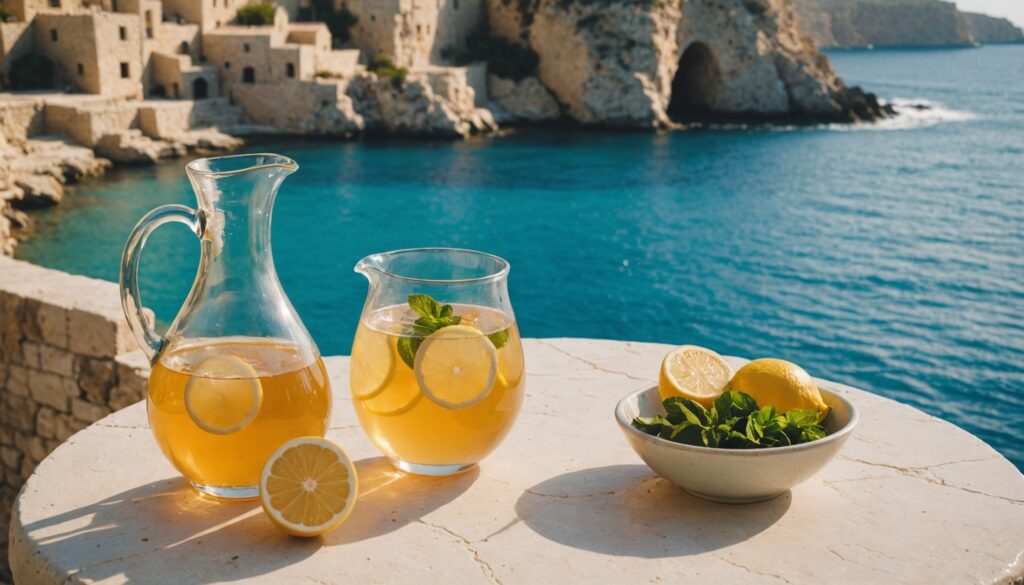
For most healthy adults, Malta’s tap water is a reasonable choice for daily hydration, and hardness itself is not a health concern. The things worth checking are closer to home: your roof tank, your pipes and how the water tastes. If you are pregnant, have kidney problems or are preparing infant formula, ask your GP or pharmacist first.
What does “hard water” actually mean?
Hardness mostly reflects how much calcium (and, to a lesser extent, magnesium) is dissolved in the water. In Malta, much of the supply comes from groundwater and desalinated seawater, and the mix differs from one locality to another. That is why you may notice limescale on kettles, taps and shower screens, and why a friend in another town may describe the taste differently.
Hardness is mainly a nuisance for appliances and hair or skin feel. It is not a sign that water is contaminated. Calcium and magnesium are minerals your body uses anyway, although tap water is a small part of your total intake.
Is tap water in Malta safe to drink?
Public supply water is regulated under drinking water rules that follow European standards, and the national water provider publishes quality information. I cannot tell you the exact quality at your tap, because that depends on your street, your building and, importantly, your plumbing. These are the practical points to check:
- Roof tanks and reservoirs. Many Maltese homes store water in a tank. If it is old, uncovered or never cleaned, the water can pick up problems after it leaves the mains. Have it cleaned and inspected regularly.
- Old pipes. In older buildings, internal plumbing can affect taste and quality. If you are worried, ask a plumber about the pipework.
- Taste and smell. Some people find the water slightly salty, earthy or chlorinated. This is a matter of preference, but a sudden change in taste, colour or smell is worth reporting to your provider.
- Chlorination. Disinfection protects against germs but creates by-products called trihalomethanes. A 2025 systematic review and meta-analysis looked at how these relate to cancer risk in adults. It is an active research area, which is one reason regulators set limits, and a reason some people choose to filter. It is not a reason to avoid water altogether.
If you rent, your landlord is usually responsible for the tank and plumbing, so it is fair to ask when they were last cleaned.
Does hard water matter for kidney stones?
This is the question many people have in the back of their minds. The evidence is less alarming than you might expect. A 2020 systematic review on water type and stone disease found mixed results on hardness, and concluded that hard water and mineral water might even be helpful for people who form calcium stones. Magnesium and bicarbonate in water also seemed protective. It also noted there is no firm consensus, and that other factors influence stone formation.
What the review does support is that drinking enough fluid helps prevent stones. A Cochrane review from the same year also examined whether increased water intake prevents urinary stones. If you have had a kidney stone, ask your GP or urologist for advice based on your own results, rather than switching water type on your own.
In Malta’s warm months, drinking enough matters more, since you lose more through sweat. Our guide to eating and hydrating well during a Malta heatwave has practical ideas. A rough guide is pale yellow urine and not feeling thirsty most of the day.
Your options, from the simplest to the most involved
1. Drink tap water, and make it more pleasant (free or very low cost)
This is where to start. Fill a glass jug and keep it in the fridge, because cold water tastes less of chlorine. Add slices of lemon, cucumber or mint if you like. Let the tap run for a few seconds if the water has been sitting in the pipes. Descale your kettle regularly, since limescale is harmless but unpleasant. It suits most healthy adults who are happy with the taste, and costs almost nothing.
Not ideal if: your tank is of unknown condition, the taste puts you off drinking enough, or you have a medical reason to control minerals or sodium.
2. A household filter jug or tap filter (moderate cost)
A filter can improve taste and reduce chlorine and some limescale. It needs cartridges replaced on schedule, otherwise it can do more harm than good. A filter is not a fix for water that is genuinely contaminated, and it will not make a dirty tank safe. It suits people who find the taste a barrier, or who want to reduce chlorine. Check the manufacturer’s information about what a particular filter does and does not remove.
3. Bottled water, a water test or professional advice (highest cost or effort)
Bottled water is convenient, but it costs more over a year, adds plastic waste and has to be carried home. It is not automatically purer: a 2019 critical review of microplastics in drinking water found them in both tap and bottled water, and said the quality of many studies is uneven, so conclusions about health effects are still uncertain. Mineral content also varies between bottled waters, so read the label if you are watching sodium or minerals.
If you suspect a problem with your own supply, a water test by an accredited laboratory gives real answers. If you are pregnant, have kidney disease, have had stones, or are making formula for a baby, speak to your GP, pharmacist or a dietitian. This route suits specific medical needs or persistent worries, rather than everyday use.
Practical habits for daily hydration
- Start the day with a glass of water before your coffee.
- Keep a bottle you can refill within sight, and top it up at meals.
- Eat water-rich seasonal produce. See what fruit and veg are in season in Malta each month.
- Thirst can feel like hunger. If you reach for snacks soon after eating, try a glass of water first and see how you feel.
- Persistent thirst, very frequent urination or tiredness that does not shift are worth mentioning to your GP rather than blaming the water.
Frequently asked questions
Is hard water bad for my health?
No evidence in the studies provided here suggests hardness harms healthy people. A systematic review on stone disease suggests hard water may be neutral or even helpful for calcium stone formers, though the evidence is mixed.
Why does my tap water taste different from my neighbour’s?
The source mix (groundwater or desalinated water), the distance from the treatment point, and your own tank and pipes all affect taste. If a change is sudden, contact your provider.
Is bottled water safer than tap water?
Not automatically. Both are regulated, and microplastics research has found particles in tap and bottled water, with data quality still a limitation. Choose based on taste, cost, convenience and any medical advice you have received.
Can I use tap water for a baby’s formula?
This depends on your water source, your tank and your baby’s age. Please ask your GP, paediatric nurse or pharmacist for current guidance rather than relying on a general article.
In short
Tap water is a sensible, low-cost way to stay hydrated for most people in Malta, provided your tank and plumbing are in good order. If you want help building habits that support steady energy, our guide to healthy swaps in Maltese supermarkets is a good next step. This blog is written by Brasil Botanique, a wellness brand being created for women in Malta.
References
- Which type of water is recommended for patients with stone disease: systematic review (2020)
- Water for preventing urinary stones, Cochrane review (2020)
- Microplastics in freshwaters and drinking water: critical review and data quality (2019)
- Drinking water trihalomethanes and cancer risk: systematic review and meta-analysis (2025)