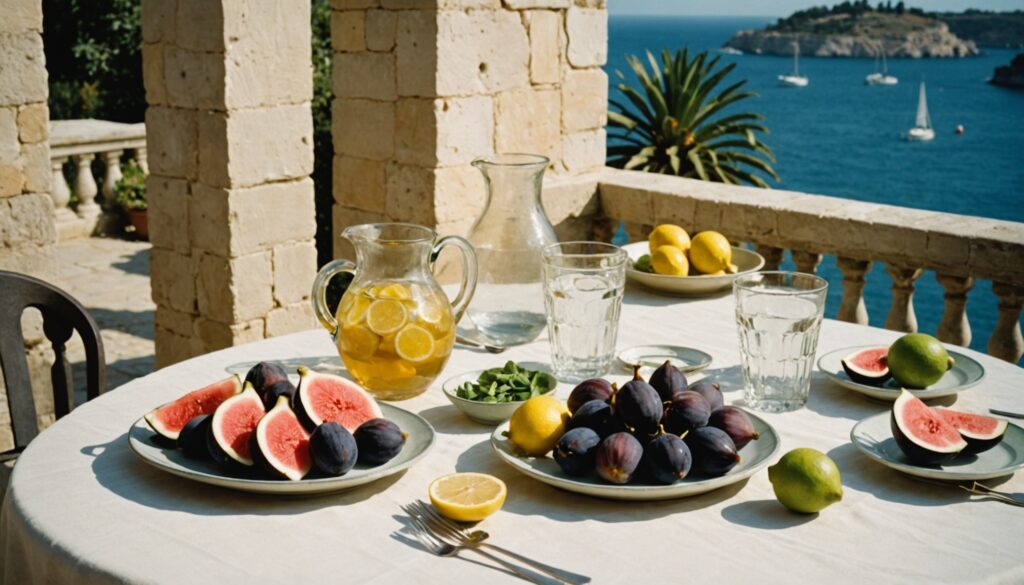
During a heatwave, the best approach is usually light, water-rich meals with some protein, plenty of fluids spread through the day, and less alcohol and sugary drinks. You do not need anything complicated: simple Mediterranean food, eaten little and often, does most of the work.
What should I eat during a heatwave?
When temperatures climb, heavy, rich meals can feel unappealing, and your body is already working hard to keep cool. A recent narrative review on nutrition and heatwaves points to regular water intake and water-rich foods as sensible, physiologically grounded strategies. The same review is honest that direct heatwave-specific intervention studies are still limited, so much of the advice rests on physiological reasoning and public health guidance.
In practice, build your plate around foods that are cooling and easy to digest:
- Water-rich fruit and vegetables: tomatoes, cucumber, peppers, melon, watermelon, peaches and grapes are all easy to find in Malta in summer.
- Light protein: grilled or baked fish, eggs, yoghurt, ricotta, ġbejniet, chickpeas or lentils served cold in a salad.
- Wholegrains in smaller portions: a slice of wholemeal bread or a small portion of cold pasta salad rather than a large baked dish.
- Olive oil, nuts and seeds: a drizzle or small handful adds satisfaction without making meals feel heavy.
For ideas on what is fresh locally, our guide to which fruit and veg are in season in Malta each month is a handy reference.
A simple hot-day plate
Think of a large salad of tomato, cucumber, onion and leaves, with tuna, chickpeas or boiled eggs, olive oil and lemon, plus a little bread. It is quick, needs no oven and gives you protein, fibre and fluid in one go.
How much should I drink, and what counts?
There is no single number that suits everyone. Needs vary with your size, activity, how much you sweat and whether you spend the day in air conditioning or outdoors. A practical guide is to sip regularly through the day rather than waiting until you feel very thirsty, and to aim for pale straw-coloured urine.
- Water is the foundation. Keep a bottle where you can see it, and add lemon, mint or cucumber if plain water bores you.
- Foods count too. Soups such as a chilled gazpacho-style soup, fruit and salads contribute to your fluid intake.
- Go easy on alcohol. The review above lists avoiding alcohol among the supported measures in hot weather. A summer spritz on a terrace is tempting, so alternate with water.
- Moderate sugary drinks. Fizzy drinks and sweetened iced teas are best kept occasional.
Do I need electrolytes or extra salt?
This is where it helps to separate everyday life from extreme exertion. The heatwave review notes that individualised electrolyte replacement is supported during prolonged or intense sweating, for example a long outdoor workout or a physically demanding job in the sun. For a normal day of work, errands and a swim, a varied diet usually supplies the sodium and potassium you need.
One small crossover study in nine endurance-trained men found that after nine days on a low-sodium diet, blood sodium levels were lower before and during three hours of cycling in the heat, even when water intake roughly matched sweat losses. It was a small, men-only study of hard exercise, so it should not be applied directly to everyday life. It does suggest, though, that drinking large amounts of plain water while eating very little salt is not always the safest combination during long, sweaty efforts.
If you take medication for blood pressure, heart or kidney conditions, or are on a salt-restricted diet, speak to your GP or pharmacist before changing your salt or electrolyte intake in hot weather.
What if I have no appetite in the heat?
A smaller appetite during hot spells is common and is not usually a cause for worry. Rather than forcing large meals, try small, cool snacks and meals every few hours: yoghurt with fruit, hummus with raw vegetables, a boiled egg, or a bowl of melon with a few almonds. We explore this in more detail in why you may have no appetite in the Malta summer heat.
If your appetite stays very low for days, or you feel faint or unwell, check in with your GP.
Is a heatwave a good time to cut calories hard?
It is tempting to eat very little when it is too hot to cook, or to push a strict diet before summer events. A heatwave is a poor moment for that. In a small laboratory study of nine men, two days of severe energy restriction (about a third of their needs) with restricted electrolyte intake led to greater body mass loss, a fall in plasma volume and shorter exercise capacity in the heat. When sodium chloride and potassium chloride were supplemented during the same restriction, exercise capacity was better preserved.
The takeaway is not to supplement; it is that under-eating while sweating can leave you worse equipped to cope with heat. Regular, balanced meals are a kinder approach, and if you have a history of overeating after restriction, our article on why you overeat after a strict diet explains why steady eating tends to work better.
When should I seek medical help?
Food and drink can support comfort in the heat, but they do not prevent or treat heat illness. Seek advice promptly if you or someone near you has:
- Persistent dizziness, confusion or unusual drowsiness
- A pounding headache with nausea or vomiting
- Very dark urine or little urine for many hours
- Muscle cramps that do not ease with rest and cooling
- Hot, flushed skin with a very high temperature
Call 112 in an emergency. Older adults, pregnant women, young children and people with long-term conditions or on certain medicines should be especially careful and ask their GP or pharmacist for personal advice.
Frequently asked questions
What are the best foods to eat in a heatwave?
Water-rich fruit and vegetables, light proteins such as fish, eggs, yoghurt and legumes, and small portions of wholegrains. Cold salads and chilled soups are practical when you do not want to cook.
Should I avoid hot food completely?
No. There is no need to avoid it, but many people simply find lighter, cooler meals more appealing. Choose what feels comfortable and keeps you eating regularly.
Is it a problem to drink only water in the heat?
For most people on normal days, no, as food supplies electrolytes too. During long or intense sweating, plain water alone may not be enough, and individualised electrolyte replacement can be appropriate. If you have a medical condition, ask your GP or pharmacist.
Can I still have coffee, tea or a glass of wine?
Moderate amounts are generally fine for most people, but alcohol is best limited in hot weather. Balance these drinks with plenty of water.
Staying comfortable in a Maltese heatwave comes down to simple habits: cool, colourful meals, regular sips, and listening to your body. These are the practical, evidence-aware ideas we share here at Slim by Nature Malta, the blog created by Brasil Botanique, a wellness brand being developed for women in Malta.