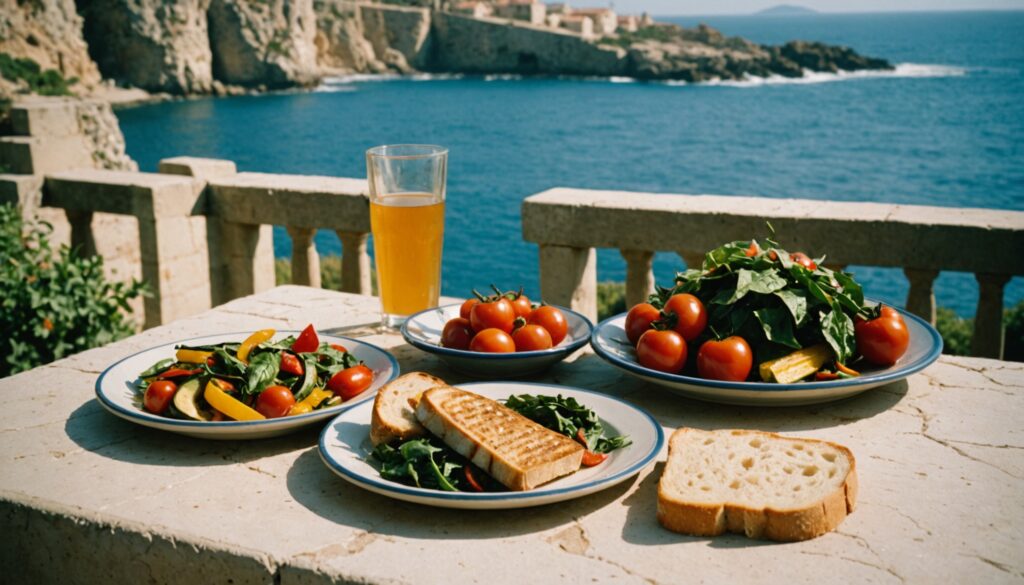
Possibly, yes. Several small studies suggest that eating vegetables and protein before carbohydrates can lead to a smaller rise in blood sugar after the same meal. The evidence is still early, and the effect seems modest in healthy people, but it is a simple habit that costs nothing to try.
What does the research actually show?
Researchers call this idea “food order” or “meal sequencing”. The meal stays the same; only the order in which you eat it changes.
- A Singapore study (the PATTERN study) used a typical meal of vegetables, chicken breast and white rice. It tested how eating the components in different orders affected glucose, insulin and gut hormone responses in healthy adults. Its title reports that these responses differed depending on the sequence.
- A Japanese crossover trial followed 18 healthy young women. They tried a conventional three-meal pattern and a five-meal pattern with smaller carbohydrate portions, eaten in the order vegetables, then protein, then carbohydrates. The authors concluded that this combined approach improved glucose fluctuations. It was a small trial, and it changed two things at once (meal splitting and food order), so we cannot credit food order alone.
- An Italian review pulled together the wider research. It describes how having protein or fat before a meal, or leaving the carbohydrate until last, can reduce the post-meal glucose rise. It also notes that the effect is larger in people with type 2 diabetes than in healthy people.
So the direction of the evidence is encouraging, but it is not a miracle fix, and most of the stronger findings come from people with blood sugar problems rather than from the general population.
Why might the order of food matter?
The Italian review suggests a few mechanisms, mainly for protein and fat eaten before carbohydrate. They may slow the speed at which the stomach empties, support the release of insulin after glucose arrives, and reduce how quickly insulin is cleared from the blood. In practical terms, carbohydrate may enter the bloodstream more gradually when it arrives after other foods, rather than all at once.
Vegetables add fibre and bulk, which may play a part too, although the studies above do not isolate vegetables on their own. It is also fair to say that eating a salad or vegetable soup first usually means you start the meal more slowly and more mindfully, which is no bad thing.
If you would like the bigger picture of why post-meal glucose swings matter for energy and cravings, our article on what a blood sugar spike is and why it matters is a good starting point.
How can you try it at a Maltese table?
The Mediterranean way of eating already makes this easy, because many meals begin with vegetables or have them on the side.
Simple ways to put vegetables first
- Start with a vegetable soup or a salad. A bowl of minestra, or tomatoes, cucumber, leaves and olive oil, works well, and it is easy in the heat of a Maltese summer.
- Eat the vegetables and protein on your plate first. With grilled fish, rabbit or chicken, begin with the greens and the protein, then move on to the potatoes, rice or bread.
- Treat pasta as the last course, not the first. At a family Sunday lunch, have the vegetable side before the pasta al forno rather than after it.
- Keep the bread for the end. If you like ftira or Maltese bread, have it with the later part of the meal rather than nibbling on it while you wait.
Do not forget breakfast
The first meal of the day is a natural place to experiment. A pilot study in people with type 2 diabetes looked at the order of fruit within a breakfast, alongside exercise after eating, although it is too small to draw firm conclusions. For ideas that go beyond order, see our guide to a blood sugar-friendly breakfast.
Is it worth it if you are healthy?
It may be, but keep your expectations realistic. The Italian review notes that the glucose-lowering effect is greater in type 2 diabetes than in healthy people. In healthy women, the benefit may be small, and the research is mostly short-term, looking at a single meal or a few days rather than years of eating this way.
That said, there are few downsides. You eat more vegetables, you slow down, and you may feel more satisfied, which can help if you tend to feel an energy dip or sugar craving a couple of hours after lunch. It should never become another rigid rule. If counting bites or fretting over order makes you anxious around food, this is not the right tool for you, and it is fine to leave it alone.
When should you speak to a professional?
Food order is not a treatment for any condition. Please see your GP or pharmacist if you notice:
- Persistent thirst or frequent urination
- Unusual or constant tiredness
- Shakiness, sweating or dizziness between meals
- A family history of diabetes, or a previous high glucose reading
If you have been diagnosed with diabetes or take glucose-lowering medication, talk to your healthcare team before changing how you eat, as your needs may be different.
Frequently asked questions
Does eating vegetables before carbs lower glucose?
Small studies suggest that a vegetables-first, carbohydrates-last order can lead to smaller post-meal glucose rises, particularly in people with type 2 diabetes. The effect in healthy people appears smaller and needs more research.
Do I have to eat in a strict order every meal?
No. The research looked at specific test meals. In daily life, starting with a salad or soup and leaving the starchy foods until later is a flexible approach and does not need to be perfect.
Does the order matter if I eat a mixed dish like stew or pasta?
Probably less, since the foods are combined. Having a vegetable starter or side before the main dish is a practical way to get some of the benefit.
Will this help me lose weight?
The studies discussed here measured blood glucose, not weight loss, so we cannot promise any effect on weight. A steadier appetite may help some people eat more calmly, but results vary.
This article is part of the Slim by Nature Malta blog, created by Brasil Botanique, a wellness brand being developed for women in Malta.
References
- Postprandial glucose, insulin and incretin responses differ by test meal macronutrient ingestion sequence, PATTERN study (2020)
- Impact of nutrient type and sequence on glucose tolerance (2019)
- Food order and divided carbohydrate intake in healthy young women (2025)
- Breakfast fruit meal sequence and postprandial exercise in type 2 diabetes, pilot study (2022)